

Sedation & Relaxation
Comfortable Sedation Dentistry in Rochester, NY for a Relaxed Dental Experience
At Contemporary Dentistry, sedation dentistry is designed to help you feel calm, comfortable, and at ease during your visit. Whether you experience dental anxiety, have a sensitive gag reflex, or are undergoing a longer procedure, sedation can make your experience significantly more relaxed.
As part of our patient-centered approach, we prioritize both your comfort and your overall well-being throughout every stage of care.


What Is Sedation Dentistry?
Sedation dentistry uses safe, controlled techniques to help patients relax during dental procedures. Depending on your needs, different levels of sedation can be used to reduce anxiety and improve comfort.
Sedation can help patients who:
Anxious
Feel anxious or fearful about dental visits
Difficulty Sitting
Have difficulty sitting through longer procedures
Sensitivity
Experience tooth sensitivity or discomfort
The Past
Have had negative dental experiences in the past
Multiple Treatments
Need multiple treatments in fewer visits
Sedation can be incorporated into a wide range of services, from dental cleanings to more complex procedures like dental implants.
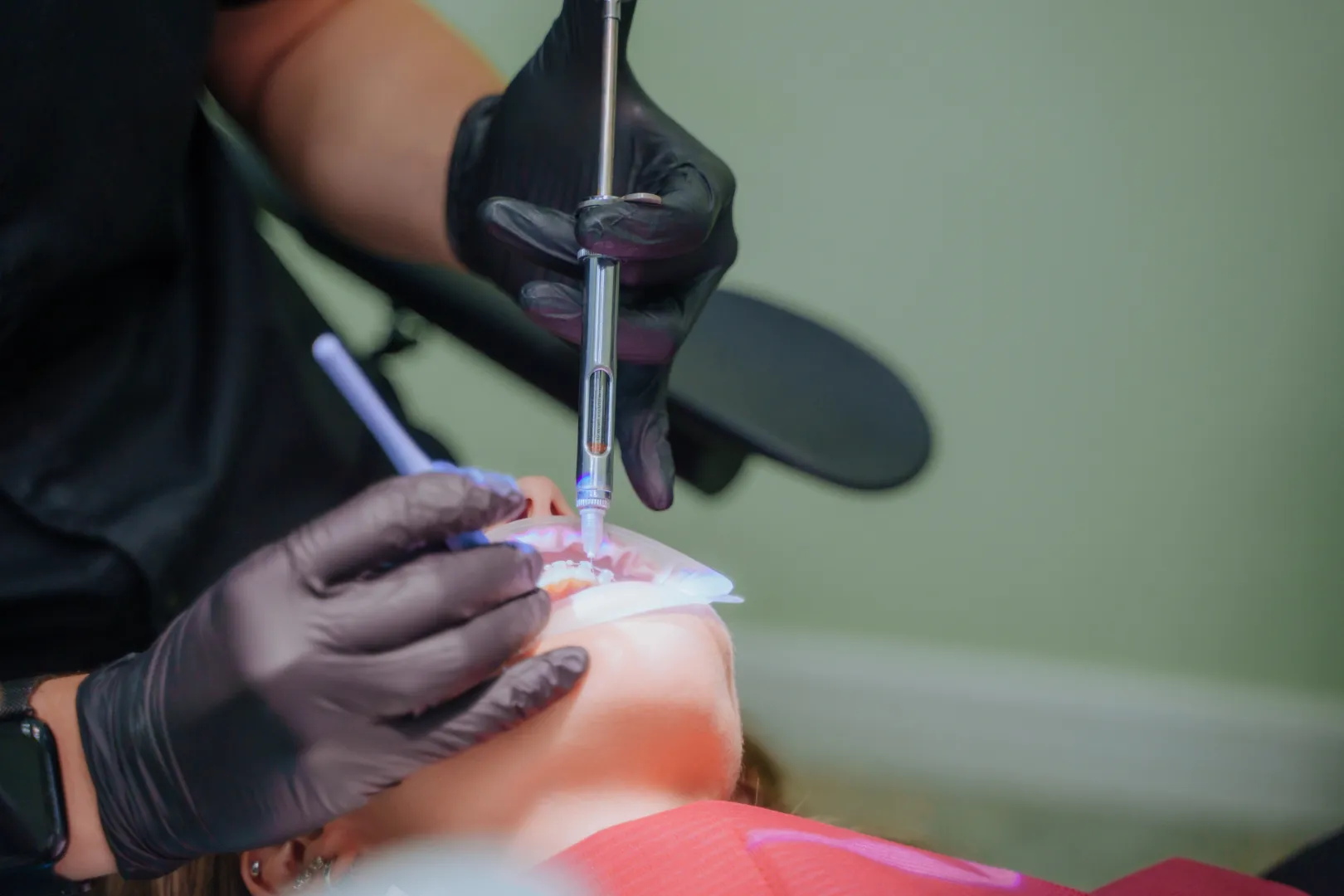
Types of Sedation We Offer
We provide sedation options tailored to your comfort level and treatment needs.
Options may include:
Mild sedation
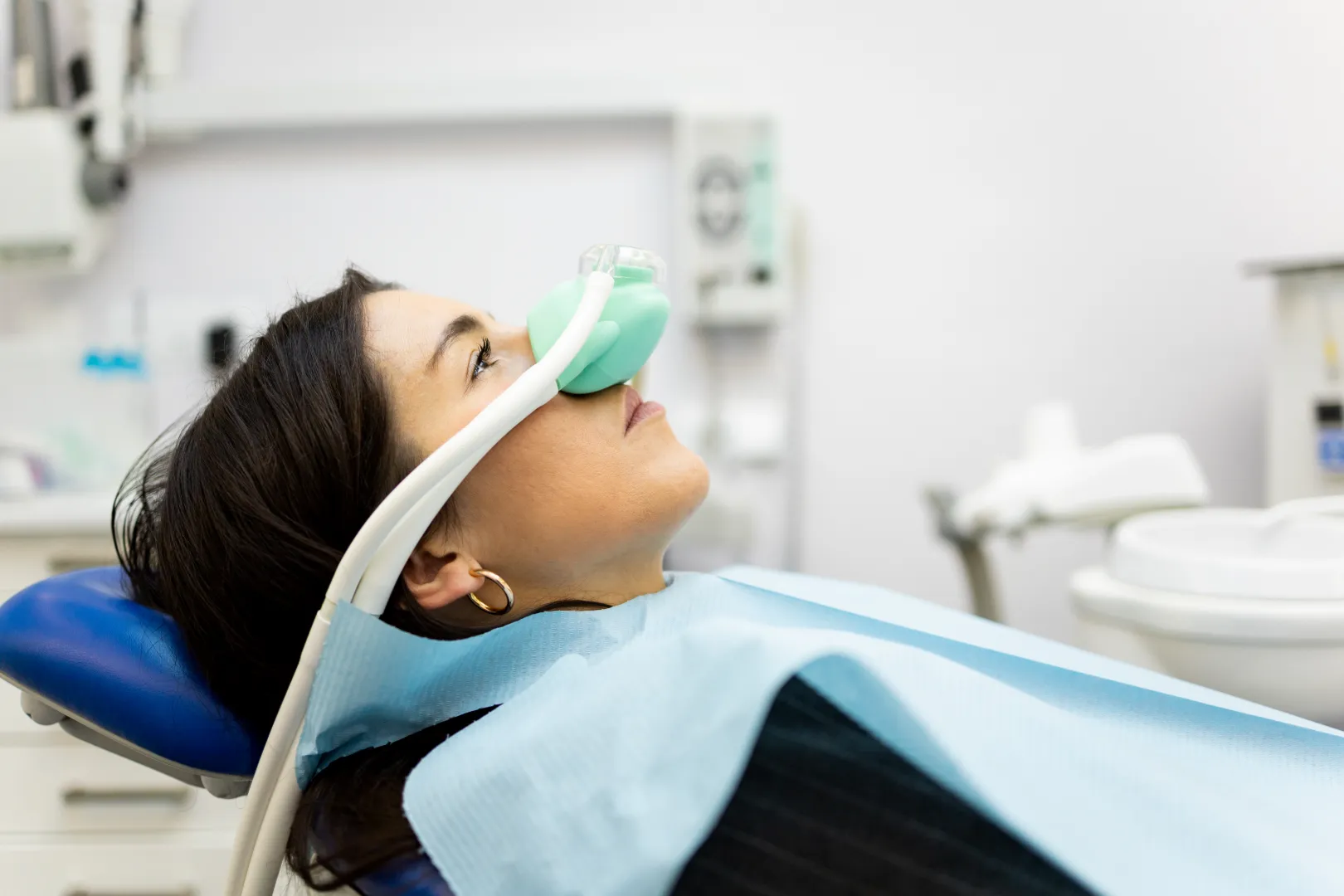
Mild sedation controlled with nitrous oxide, also known as laughing gas, to help you feel relaxed but fully awake
Moderate sedation
Moderate sedation, also known as conscious oral sedation, controlled with prescription medication for deeper relaxation
Deep Sedation
Deep sedation, also known as IV sedation, delivering sedative medication directly into your bloodstream through a vein
During your consultation, we’ll discuss the best option based on your health history and level of anxiety.
Types of Relaxation We Offer
We provide a calming, serene, spa-like environment, with a number of techniques, scientifically and experience proven to unwind and relax.
Options may include:
Music
Pleasant, ambient music, throughout the office and personal music and podcast selections via headphones
Personal TV
Wall-mounted and above-the-head TV screens for immersive, laid-back experience
Comforting things
Warm blankets, head pillows, sunglasses, earplugs, lip balm, soft eye masks, knee cushions

Benefits of Sedation Dentistry
Sedation dentistry helps make dental care more accessible and comfortable for a wide range of patients.
Benefits include:

Reduced Anxiety
Reduced anxiety and stress during appointments
Increased Comfort
Increased comfort throughout treatment
Multiple Procedures
Ability to complete multiple procedures in fewer visits
Improved Experience
Minimal memory of the procedure for some patients & Improved overall dental experience
This allows patients to receive necessary care without unnecessary discomfort or fear.
A Safe, Personalized Approach
Your safety is our top priority. Every sedation plan is customized based on your medical history, treatment needs, and comfort level.
Our approach includes:
- Thorough evaluation before sedation
- Careful monitoring throughout your procedure
- Clear instructions before and after your visit
- A supportive, experienced clinical team
We ensure that your experience is both safe and effective from start to finish.

Avoid dental care due to anxiety

Require extensive or multiple treatments

Have a low pain tolerance or sensitive teeth

Prefer a more relaxed, stress-free experience
If you’re experiencing discomfort or sudden damage, our emergency dentistry services are available to provide prompt care.
What to Expect with Sedation
If sedation is part of your treatment plan, we will guide you through each step so you feel fully prepared.
You can expect:
- Pre-appointment instructions tailored to your sedation type
- A calm, comfortable environment during your visit
- Monitoring throughout your procedure
- Post-treatment guidance for recovery
For additional details about your visit, you can review our what to expect page.
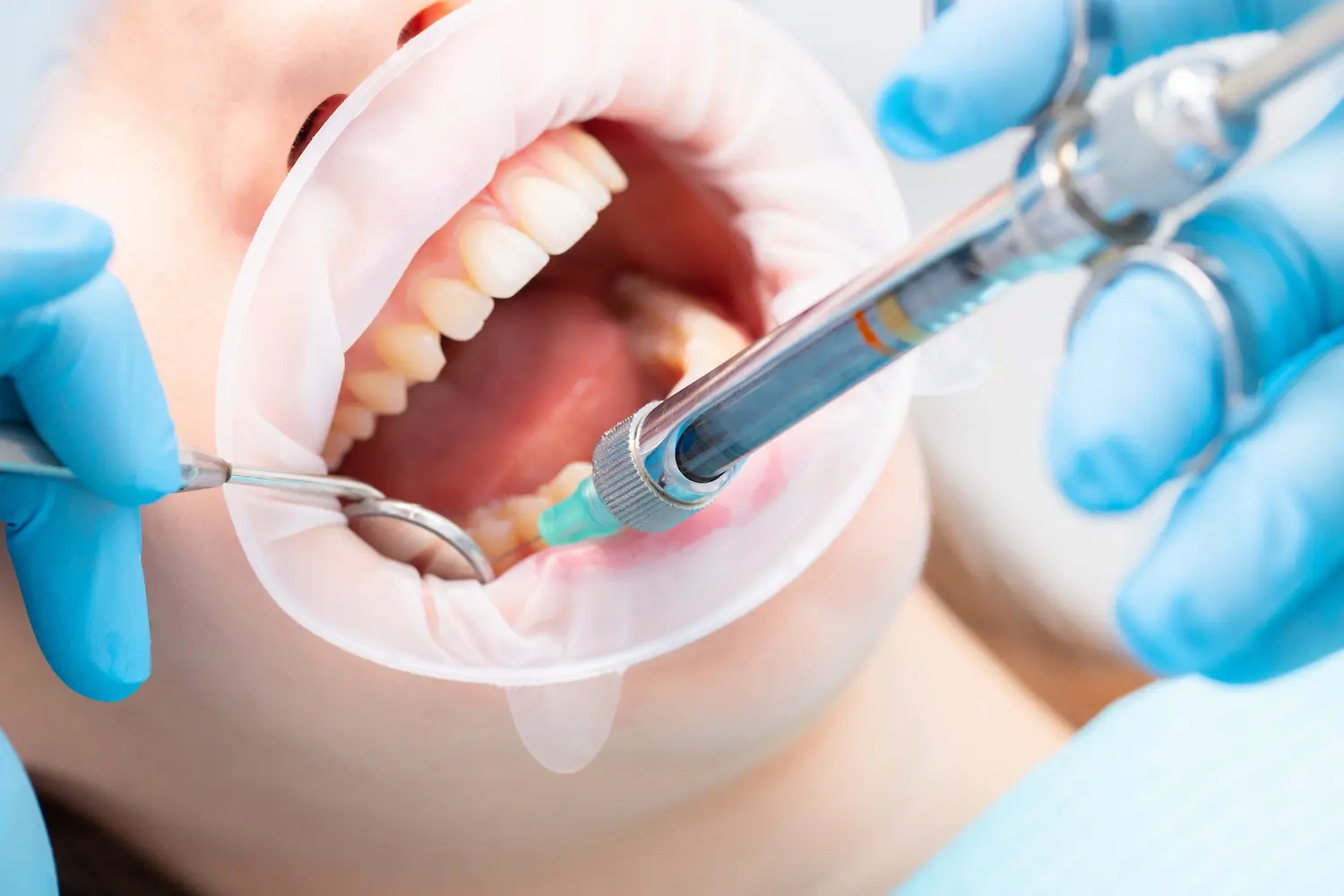


Who Can Benefit from Sedation Dentistry?
Sedation dentistry is ideal for patients who:
- Avoid dental care due to anxiety
- Require extensive or multiple treatments
- Have a low pain tolerance or sensitive teeth
- Prefer a more relaxed, stress-free experience
We’ll help determine if sedation is right for you during your consultation.
Frequently Asked Questions About Sedation Answered By Our Expert Dentists


What is Anxiety-Free dentistry?
If you are uncomfortable at the dentist, you’re not alone. Most people have some level of dental fears, and it’s not uncommon for this anxiety to lead people to postpone or avoid dental care. In addition to anxiety, there are many reasons why people don’t like going to the dentist, including difficulty getting numb, a strong gag reflex, soreness in muscles, and even discomfort in the days following an appointment. Anxiety-free dentistry addresses these concerns. It can range from "low-tech" approaches like using a warm or heavy blanket or an eye mask for the patient's added comfort or sophisticated approaches like administering sedation medication through inhaling gas, receiving prescription medication orally or through an IV. There are more options! Regardless of the approach, the goal is on patient's absolute comfort and relaxation.
When it comes to relaxation, where do you start?
Well, we don't even start with sedation. We believe strongly that, whenever possible, natural approaches to dental care are best, so we generally use sedation dentistry as a last resort. First, we like to help you feel more calm at the dental office. Our office is decorated in a relaxing, pleasant fashion. It doesn’t feel like a dentist’s office at all. We use aromatherapy to help reduce odor-based anxiety. We use ambient music throughout the office and subdued lighting, where appropriate. Even our wall paint and carpet colors chosen carefully to create accentuate warmer, calmer tones. You can get noise cancelling headphones and listen to your favorite music or a podcast, a warm heavy blanket, an eye mask or glasses, a pillow for your neck or knees. Every part of the visit is meticulously crafted to be about YOU.
Then, before we even begin, we listen to you about the sources of your dental anxiety and work to avoid them. This starts with effective communication, explaining procedures to you, and checking to make sure you’re okay with them before we proceed.
What types of anxieties do nitrous oxide gas, oral drug or IV sedation help to reduce or eliminate?
Sedation dentistry helps you feel relaxed during a dental appointment. It can help you overcome many common complaints that can make dental visits uncomfortable, including:
Anxiety caused by negative past experiences
Fear of white coats and medical scrubs
Fear of needles or other dental or medical equipment
Fear of sight of blood
Fear or someone working inside of your mouth
Fear of high or low pitch sounds of dental drills, suction or other equipment
Fear of chemical and other unusual smells that may be present during a procedure
Fear of treatment rooms' dental lights
Sensitive gag reflex
Tenseness or soreness in the jaw at or after a dentist appointment
Difficulty sitting still during treatment
All we ask you to do is talk to us about the level and source of your dental anxiety or other concerns, and we will determine which relaxation or sedation type is right for you.
Hoes does nitrous oxide work?
Nitrous oxide, commonly known as laughing gas, is a commonly used sedation dentistry option. You will inhale a mixture of nitrous oxide gas and oxygen, once you sit down in the dental chair. This mixture allows you to safely and quickly achieve a relaxed state during your appointment, while maintaining full consciousness and alertness. Nitrous oxide offers many benefits for patients. First, it not only provides sedation, it works as a general anesthesia. In fact, nitrous oxide was first used as local anesthesia, not as an anti-anxiety treatment. It allows us to start sedation right when your appointment begins. We can maintain sedation for as long as we need to, during the treatment. Then, when your appointment is finished, you can recover relatively quickly. Usually, you can even drive yourself home or to work. The main limitation of nitrous oxide is that it is probably the weakest anti-anxiety treatment. It’s great for mild to moderate anxiety, but for more severe anxiety, it’s often not effective enough.
How does oral sedation work?
Oral sedation, aka oral conscious sedation, is a simple approach to relaxing at the dentist. We will start by talking to you about your medical history to make sure the administered drug would not interfere with your medical conditions and other drugs you may be taking. If appropriate to proceed, we will write a prescription. If your anxiety keeps you from sleeping the night before, we might prescribe two pills: one that will help you sleep the night before and another for the dental appointment. On the day of your appointment, you will take the pill shortly before heading into our office, depending on how long your drive is. You’ll need someone to drive you to and from your appointment because of the effects of the medication. You’ll be conscious but very relaxed, and you likely won’t remember much about the visit. After the procedure, we will take you back into our comfort room, where you’ll have a blanket to keep you warm and we will closely monitor you to make sure you experience no adverse side effects. We will make sure you’re recovering properly from sedation before we release you. We will tell you about home care and follow-up instructions. Since your memory will be affected by the drug, your driver will receive the instructions and you will get them in writing, too.
How does IV sedation work?
For most people, inhaled sedation (nitrous oxide) or oral conscious sedation is enough. But for some people or some procedures like complex oral surgery and dental implants, IV sedation is recommended. This allows for a deeper level of sedation that helps with severe dental anxiety or dental phobia and can help with the discomfort of a procedure. It allows for more precise dosages, so we can start and stop your sedation during the procedure. As it is administered, you will become very sleepy and may drift in and out of sleep, while still maintaining the ability to breathe on your own. Through carefully administering the flow of sedation medicine into your body, we will be able to control your state, such that we could make you more alert when needing to communicate with you. Sedation can last as long as necessary, so we can achieve more complicated procedures, while maintaining your continuous comfort. The IV administration is performed by a provider highly skilled in dental anesthesiology, who will first review your health history, any medical conditions and your intake of other drugs and supplements, to establish your qualification for receiving this sort of anesthesia and then customizing the sedation administration to your unique needs. Far from every dental office offer IV sedation in Rochester, NY, and we encourage you to consider our comprehensive sedation services before making any decision. The procedure does have some limitations. Most importantly, the effects of sedation will linger after your procedure. You will need to take time to recover at our office to make sure you are okay. Then, you will need a trusted, responsible adult to drive you home and stay with you for the rest of the day. The procedure is typically considered safe, and complications are rare.
How would the various types of sedation make me feel?
Here is the typical list of sensations you may feel with the different types of sedation:
Inhaled sedation (nitrous oxide gas): Calm, relaxed and happy. Often fully aware.
Oral conscious sedation (orally administered medicine): Very calm, mellow, drowsy, unbothered, mentally detached, sluggish but conscious. Often little or fuzzy memory of the procedure afterward.
IV sedation (intravenously administered medicine): very drowsy and drifting in and out of sleep. Often little to no memory of the procedure afterward.
Is sedation dentistry safe?
Yes, sedation dentistry is safe when administered and monitored by Contemporary Dentistry trained professionals using approved techniques. Different types of sedation inherently carry somewhat different levels of risks, side effects and limitations. All are typically safe, but what is safe and most appropriate for you individually may depend on a number of factors, such as the type and level of your anxiety, your medical profile and history, your intake of other medications and supplements, and how quickly you'd like to recover from the side effects.
Will I be asleep during sedation?
It depends. Different types of sedation alter your conscious state differently. Please, read the sections explaining each type of sedation in detail.
How long does sedation last?
It depends. The duration varies depending on the type of sedation used, but we will provide clear expectations beforehand.
Can I drive after sedation?
For certain types of sedation, you may need someone to drive you home. We’ll provide specific instructions based on your treatment.
We combine advanced dentistry with a holistic, biologic approach that focuses on your overall health—not just your teeth.
Schedule Your Visit with Comfort in Mind
Experience dental care in a calm, stress-free environment. Call (585) 244-3337 or visit our contact page to schedule your appointment today.