Preventive and Minimally Invasive Dentistry

Preventive and Minimally Invasive Dentistry in Rochester, NY

What Is Preventive and Minimally-Invasive Dentistry?

Protecting your smile starts long before a problem becomes painful. Our approach focuses on prevention, early detection, educated decision making, and conservative treatments that preserve as much of your natural tooth structure and surrounding tissue as possible. From routine exams and professional cleanings to small, precise restorations, we help you avoid more complex and costly procedures in two ways - by catching small changes way before they become big problems and by carefully considering all options available with the intent to achieve the best long-term clinical outcomes with the least amount of discomfort, time in the chair and cost.

At Contemporary Dentistry, we encourage disciplined self- dental care, keeping up with the routine check-ups and exams and quickly addressing small problems, as soon as they arise.
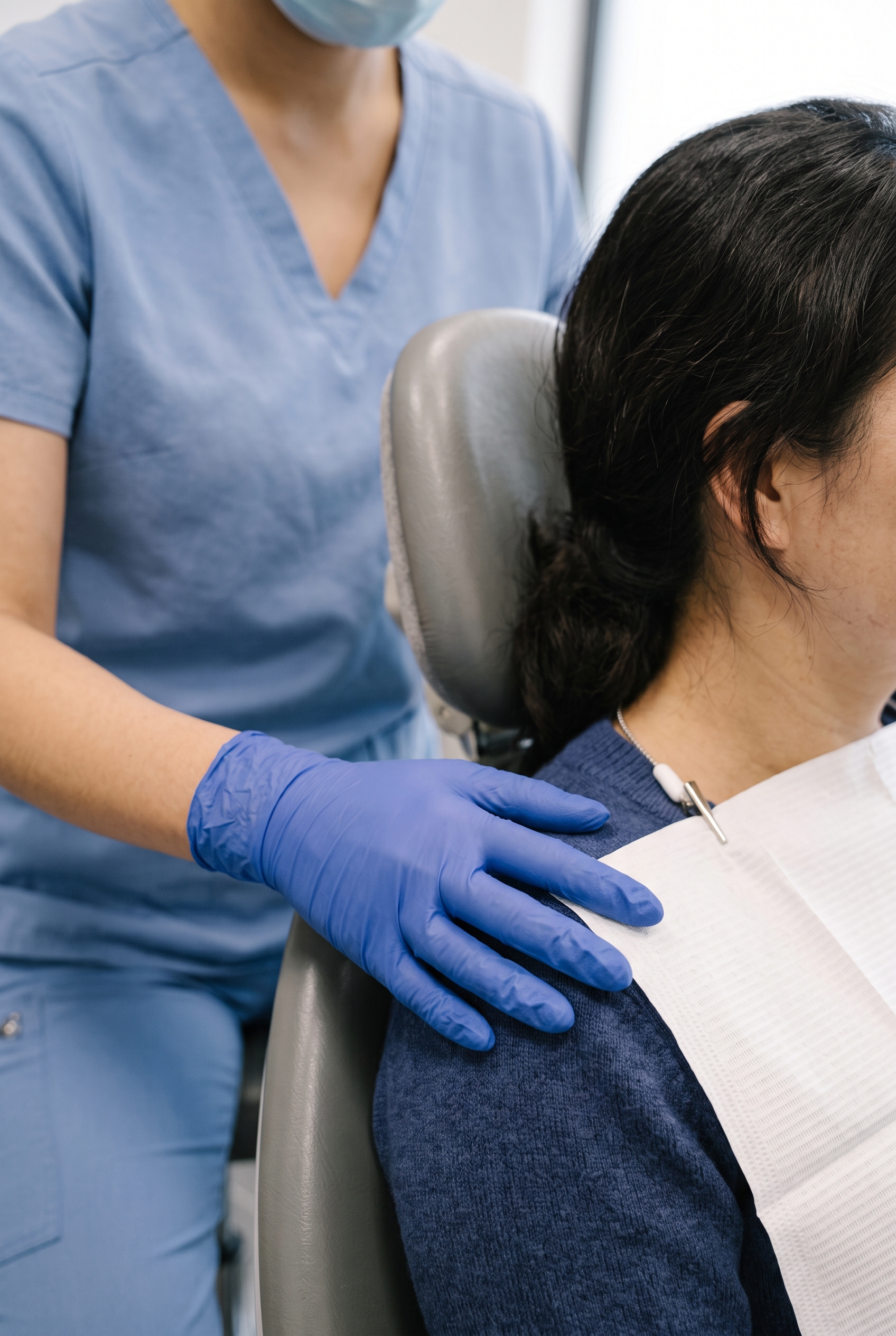
Focused On
Preventive and Minimally Invasive Dentistry

Everyday Care: The Foundation of a Healthy Smile

A healthy smile is built through the choices you make every day:

  • Brushing twice a day
  • Watching what you eat - avoiding or at least minimizing sugary, acidic and very hard crunchy food and drink consumption
  • Rinsing your mouth with an appropriate solution, if prescribed by the dentist for certain chronic dental conditions
  • Cleaning between your teeth daily with floss or another interdental cleaner
  • Replacing your toothbrush or brush head regularly
  • Becoming self-aware of resting the jaws and not clenching
  • Regularly wearing your retainers, aligners or nightguards, if you clench your jaws or grind teeth or in the process of straightening your teeth
  • Regularly cleaning the appliances you wear to ensure the don't accumulate harmful bacteria
  • Regularly following through with your hygiene appointments to remove hardened tartar, take routine diagnostic x-rays and have your dentist examine the condition of your mouth and look for the signs of early decay, changes in your bite and oral tissue

‍
All of these things help reduce mechanical pressure on your teeth, create a more favorable microflora in your mouth, remove plaque before it hardens into tartar or causes inflammation and, of course, help your friendly dentist catch those little changes just in time before they develop into something big and costly.

‍

Minimally Invasive Dentistry: Preserving More of What Is Natural

Minimally invasive dentistry works hand in hand with preventive care. Its central goal is straightforward: preserve as much healthy, natural tooth structure as possible while treating disease at the earliest appropriate stage. Rather than waiting until a cavity, crack, or gum problem becomes severe, your dentist uses examinations, diagnostic imaging, risk assessment, and modern treatment techniques to intervene sooner and more conservatively.

This matters because natural tooth structure is valuable. Enamel is the hardest substance in the human body, but it does not grow back once it is lost. When decay is detected early, it may sometimes be managed with prevention-focused strategies such as improved home care, dietary changes, sealants, or monitoring. When a restoration is needed, treating a small area of decay often allows for a smaller filling and leaves more healthy tooth structure intact.

By contrast, when decay or fracture progresses unchecked, treatment can become more complex and extensive. A small cavity may grow into a larger filling, then potentially require a crown, if much of the tooth is weakened. If bacteria reach the inner nerve tissue, root canal treatment may be necessary. In advanced cases, a tooth may become too damaged to save and require extraction and replacement. While modern dentistry can restore teeth remarkably well, no restoration is identical to a healthy natural tooth. Prevention and early treatment help reduce the likelihood of entering this cycle of increasingly complex care.

The same principle applies to gum health. Gum disease is often painless in its early stages, yet chronic inflammation can gradually damage the supporting bone around teeth. Routine cleanings, periodontal evaluations, and home plaque control help reduce the bacterial burden that drives inflammation. Addressing gum disease early can often limit progression and protect the foundation that holds your teeth in place.

Minimally invasive dentistry is not about avoiding necessary treatment. It is about providing the right treatment at the right time, using the most conservative option that can predictably protect your oral health. When you brush, clean between your teeth, make thoughtful dietary choices, wear prescribed appliances, and keep up with preventive visits and X-rays, you give your dentist the best opportunity to detect issues early, or prevent them from developing at all.

The result is a healthier mouth, fewer surprises, and a greater chance of keeping your natural teeth strong and functional for a lifetime.

Frequently Asked Questions

Why is preventive self- dental care is so important?

Preventive self- dental care is critically important because of how plaque accumulates on the surface of our teeth. This is a normal by-product of our daily lives, as we consume food and drink. Plaque is a sticky film of bacteria that feeds on sugars and carbohydrates. When those bacteria produce acids, they can weaken tooth enamel and increase the risk of cavities. If plaque remains along the gumline, it can also trigger gingivitis—the early stage of gum disease. Everything you do to prevent tooth or gum disease is much like what you do to maintain your overall health. You know you need to exercise, eat healthy, avoid stress and get good night sleep. Oral health maintenance is no different. If you adopt this philosophy of following through on everything we have outlined above as being part of your overall healthy lifestyle effort, it comes second nature and don't even think of it separately. It just becomes part of your lifestyle and this is what Dr. Anna Belous and Dr. Adriana Palacio, as holistic dentists, highly encourage.

Why does what I eat and drink matter so much?

What you eat and drink matters just as much as how you brush. Frequent exposure to sugary snacks, sweetened beverages, sports drinks, energy drinks, and acidic drinks can repeatedly lower the pH in your mouth. Over time, this can soften enamel and make teeth more vulnerable to decay and erosion. You do not have to eliminate every treat to protect your smile, but limiting how often you sip or snack on sugary and acidic foods is important. Drinking water, rinsing after meals, and choosing tooth-friendly snacks can all support stronger teeth.

Why are routine dental x-rays so important and are they safe?

Dental examinations and recommended X-rays are especially valuable because many problems begin without obvious symptoms. A cavity between teeth, a crack beneath an old filling, early bone loss from gum disease, or an infection near a tooth root may not be visible or painful until it has progressed. X-rays allow your dentist to evaluate areas that cannot be assessed fully during a visual exam. Finding concerns early often means treatment can be simpler, more comfortable, less expensive, and more predictable. And don't worry, those dental X-rays result in only a tiny fraction of radiation dosage that you would get from a comprehensive medical X-ray. And given the frequency of taking them, they are negligible in terms of the radiation exposure, making them practically harmless.

What makes your dental practice different?

We combine advanced dentistry with a holistic, biologic approach that focuses on your overall health—not just your teeth.

Contact Us

Schedule Your Preventive Dentistry Visit

If you'd like advise or recommendations on how to maintain a healthier overall and oral lifestyle or would like a preventive or routine care appointment, our Rochester, NY team is ready to help. Call (585) 244-3337 or book an appointment online to get started.

Thank you! Your submission has been received!
Oops! Something went wrong while submitting the form.