%202%20(1).svg)
.avif)
Our Dental Blog
Dental Blog in Rochester, NY for Education, Insights, and Better Oral Health
At Contemporary Dentistry, our blog is designed to be a trusted resource for patients looking to better understand their oral health and treatment options. We share insights that reflect our holistic philosophy—connecting dental care with overall wellness.
Whether you're exploring preventive tips or learning about advanced treatments, our blog provides valuable, easy-to-understand information to support your long-term health.
.webp)

Why Can't I Get Numb?
Considering different factors that affect your body's absorption of and reaction to dental anesthesia, and how to make it more effective.
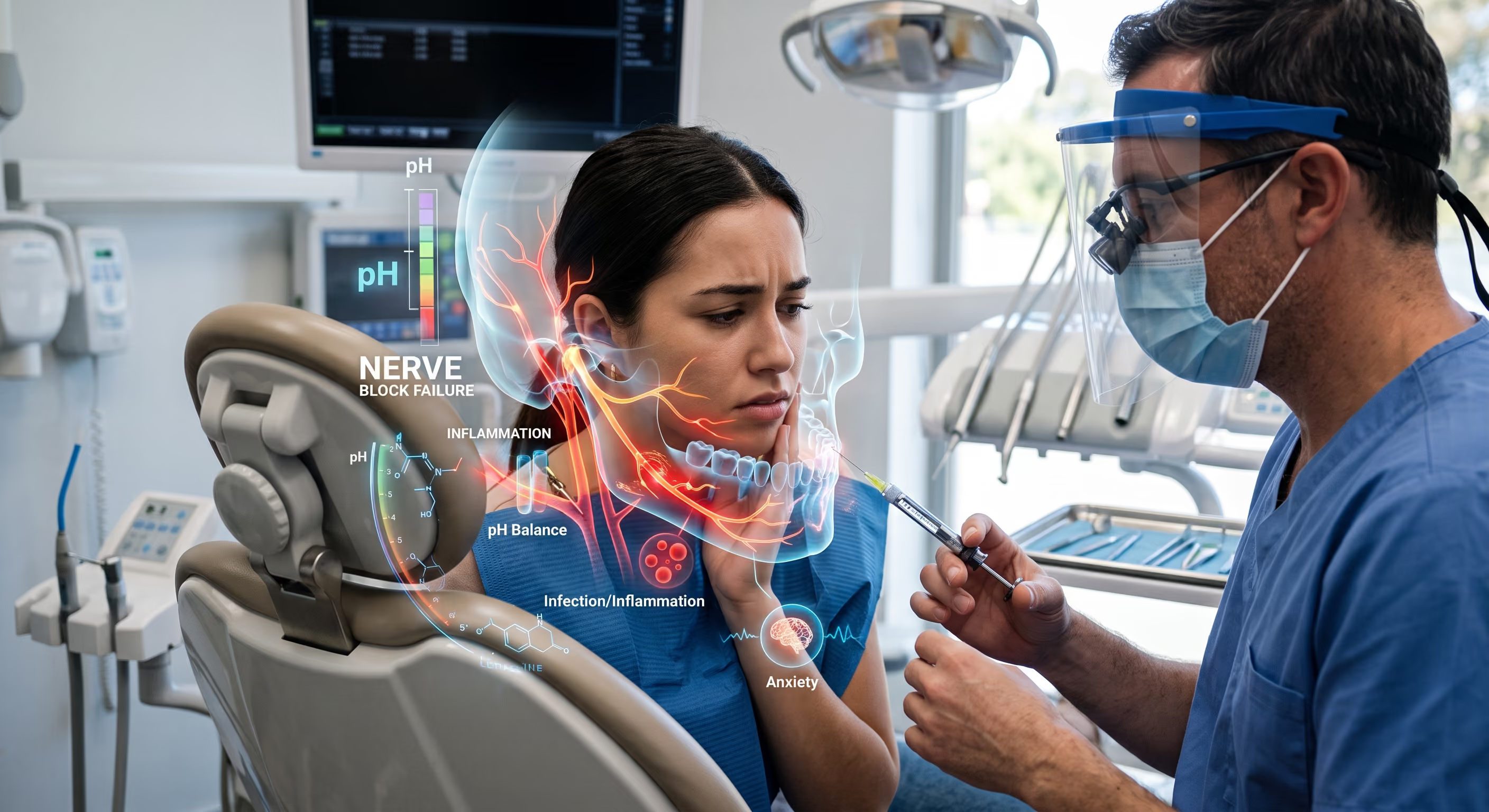
Have you ever visited your Rochester, NY dentist for a dental implant procedure or even a simple filling and when it came time to give you a local anesthetic, you couldn’t get numb? This unfortunate situation could leave you feeling pain during a dental procedure and provide an overall bad experience at the dentist. So why can’t you get numb? The inability to get numb can be caused by a number of factors.
Why Does Lidocaine Not Work on Me?
A few surprising factors can interfere with the effectiveness of local anesthetics.
Vitamin C
One of the first factors that can prevent you from getting numb with dental anesthetic is vitamin C. When you consume vitamin C, it can have an effect on your body’s pH balance. The change in pH balance can actually counteract dental anesthetics. If possible, try to avoid taking vitamin C supplements or drinking large glasses of orange juice before your dental appointment. On the flip side, if you’re trying to wear off the numbing effects of the dental anesthetic, consume vitamin C after your appointment. Your consumption of vitamin C will rapidly expedite your body’s clearing of the local anesthetic.
Hot Tooth
If you have a particularly painful tooth and it won’t get numb, your dentist might refer to it as a “hot tooth.” When a tooth causes significant pain, it can change the nerves which can make them overactive. If it’s overactive, it will require more anesthetic than usual to calm it down. The nerves may also develop more pain receptors which would also require more local anesthetic. Continue to let your dentist know if your tooth does not get numb.
Movement During Administration
Another reason why you can’t get numb at the dentist is that you moved or flinched during the administration. If your dentist tries to inject the local anesthetic into the nerve and they miss it because you moved or flinched with the prick, you won’t get numb. Try to stay as still as possible when we administer the local anesthetic.
Your Metabolism is Too Fast
For some patients, the issue isn’t that the drug doesn’t work, but that it doesn’t last. Your body views local anesthesia as a foreign substance and immediately uses enzymes in the liver and blood to break it down. If you are a “fast metabolizer,” your body may dismantle the medication faster than the dentist can administer it. This often results in numbness that sets in for a brief window but vanishes before the procedure is complete. If you notice that other medications or alcohol wear off quickly for you, your high metabolic rate is likely the culprit.
It Could Be in Your Genetics
Your DNA plays a surprising role in how your body processes pain blockers. It is a well-documented phenomenon that people with the MC1R gene mutation (commonly associated with natural red hair) often require up to 20% more anesthesia to achieve the same level of numbness as the general population. Additionally, genetic conditions like Ehlers-Danlos Syndrome (EDS) affect how connective tissue is structured, which can physically prevent the anesthetic solution from spreading correctly to reach the nerve. If you have red hair or joint hypermobility, mention it to your dentist beforehand.
Previous Trauma and Anxiety
The connection between your mind and your nerves is powerful. If you have a history of dental trauma or severe anxiety, your body likely enters a “fight or flight” mode the moment you sit in the chair. This response triggers a massive release of adrenaline, which increases your heart rate and alters your blood chemistry. This surge can cause the anesthetic to be swept away from the injection site and into your bloodstream much faster than usual. Essentially, your body’s survival instinct overrides the medication, making it difficult to get—and stay—numb.
Your Dentist Missed
You can’t expect your dentist to hit the bullseye 100% of the time. There is always the slightest chance for error. If your dentist doesn’t hit the nerve, you likely won’t feel numb. Let your dentist know you don’t feel numb, and they will inject you again.
Anatomy
Not all mouths are made the same. Your teeth, bones, blood vessels, and nerves might be in a different location than someone else. Your dentist might place a local anesthetic in an area that works for 9 other patients but doesn’t work for you. Aside from having anatomy in a different location than other patients, you might also have longer roots on certain teeth. This is where 3D x-rays come in handy. Just know that if you don’t get numb on your first shot, a second one will probably help.
Infection
If you have an infection in your tooth, it can also affect the pH of your mouth just like vitamin C. Infections cause the mouth to become more acidic. In order for local anesthetics to work correctly, they need a neutral pH. This is why dentists often prescribe antibiotics before root canals or other procedures when an infection is present. In some cases, a nerve block is a better option when a patient can’t get numb.
Anxiety
If you generally feel anxious when you visit the dentist, it can also affect your ability to get numb. Anxiety can cause you to move when we’re trying to inject the local anesthetic and it can also make you interpret the lightest touch as pain. If you feel anxious simply getting a local anesthetic, that’s okay. We offer several solutions that can help. We offer three different types of sedation dentistry.
First, we offer nitrous oxide which you might know as “laughing gas.” During your appointment, you will inhale the nitrous oxide and immediately feel relaxed. Once you’re relaxed, we will inject the local anesthetic. The effects of the nitrous oxide will wear off within minutes of stopping the inhalation.
Another option for sedation dentistry is oral sedation. This involves taking a pill before your appointment. We can also prescribe one for the night before your appointment if you tend to experience anxiety before bed for your upcoming appointment. The pill will help you stay relaxed throughout your entire appointment and especially during your local anesthesia injection.
The last type of sedation dentistry we offer is IV sedation. We recommend IV sedation for patients who need a much deeper level of sedation. After the IV sedation begins to take effect, we’ll apply the local anesthetic.
Talk to one of our dentists in Rochester about sedation dentistry to learn if it’s right for you.
Struggling To Get Numb? Visit Our Rochester Dentists
If you’ve struggled to get numb when visiting the dentist, consider visiting Contemporary Dentistry on South Clinton Ave between Elmwood and Westfall in Brighton. We take our time to get to know a patient, their anatomy, and specific circumstances to ensure we provide you with a comfortable and pain-free experience every time. Please call us at (585) 244-3337 to book your next appointment.

Why Are My Teeth Breaking?
Common reasons why your teeth are breaking and insight into causes and prevention.
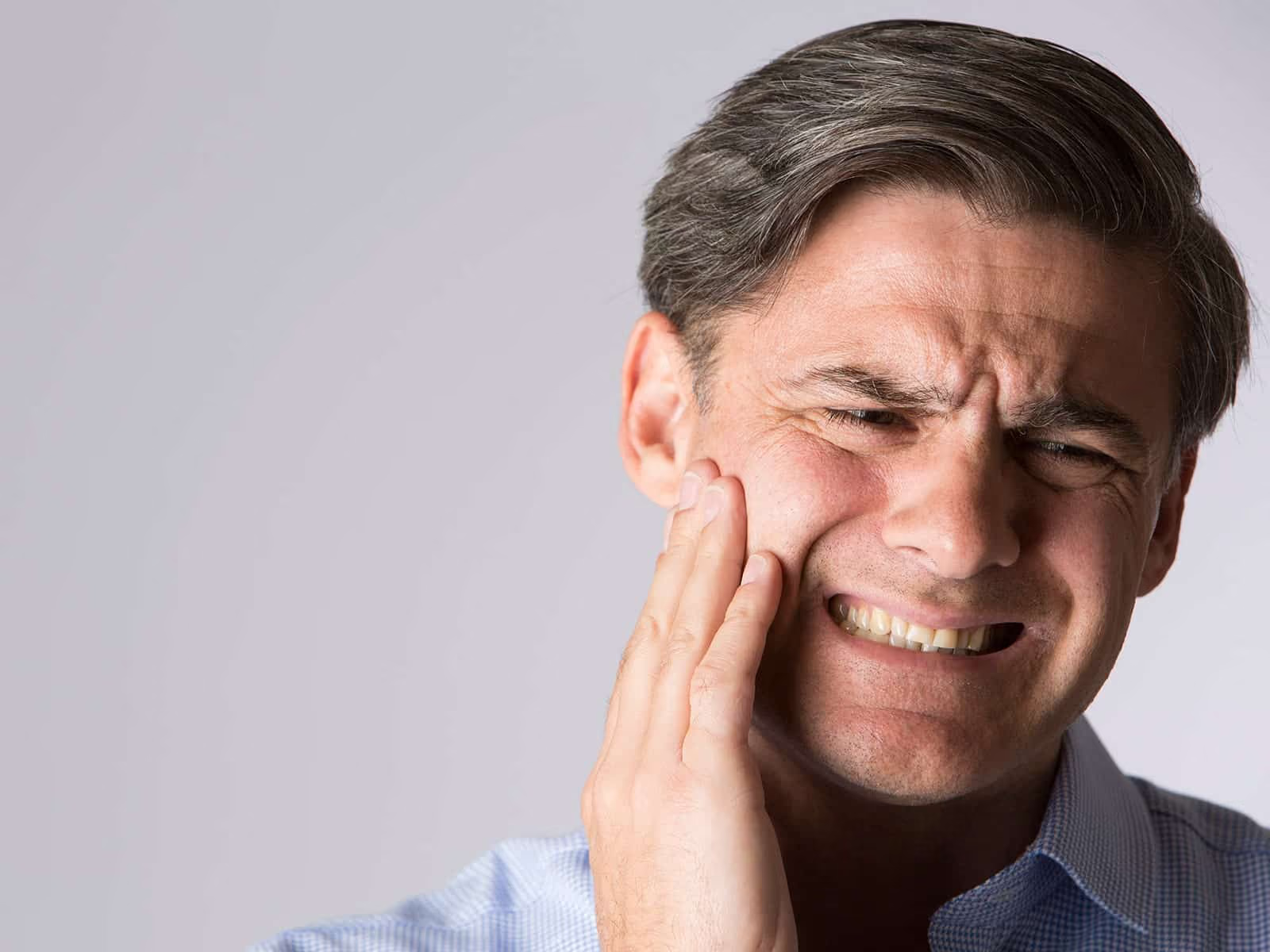
Tooth enamel is the hardest material in the human body. It has to be so it can stand up to daily use for biting and chewing, then still be able to have a healthy,beautiful smile? Unfortunately, sometimes our teeth cannot handle the stresses we subject them to, and they start breaking. Once they start breaking,they often don’t stop, with many teeth breaking one after the other. Here are some common reasons why your teeth might be breaking, along with insights to help you identify potential causes and prevent future issues. If you’re experiencing dental problems, don’t hesitate to contact Rochester,NY dentists for expert advice and care.
Genetic Factors
Sometimes, tooth problems are genetic. As with so many aspects of the body, tooth strength is not the same for everyone. There’s a wide range of strengths in dental enamel and dentin. At the extreme weak end,we have genetic conditions that weaken teeth. Dentinogenesis imperfecta is when the dentin, the middle layer of your tooth, doesn’t form correctly. Amelogenesis imperfecta is a genetic condition where the outer layer of the tooth, the enamel, doesn’t form correctly. Both conditions can make your teeth more likely to break.
Other people have weak dentin or enamel without meeting the criteria for an imperfecta diagnosis.
Medications
If you experience multiple broken teeth, check the listed side effects of your medications. In some cases, medicines might cause effects that weaken your teeth. They might, for example, make it hard for your body to absorb calcium. Or they might cause dry mouth. If you suspect medications contribute to your broken teeth, talk to your doctor about alternative medications, different dosages, or strategies to deal with risks.
Acidic and Sugary Food
Your tooth enamel is strong and hard, but it’s weak against acidic attack. If you regularly eat acidic foods like citrus or vinegar, it can weaken your teeth. Acidic drinks can be harmful, too. Wine, energy drinks,fruit juices, and more can all damage your teeth.
Sugary drinks and foods can cause similar damage because it feeds oral bacteria that excrete acid after eating. Bacteria clinging to your teeth put the acid directly on your teeth to create cavities where they can shelter.
Poor Oral Hygiene
If you’re not brushing and flossing regularly (brushing twice a day and flossing once daily), you might have acidic damage to your teeth, weakening them.
However, it’s actually just as bad to brush your teeth too often or too hard. This can erode your enamel as well. To avoid damaging your tooth enamel, you should:
- Use a less abrasive toothpaste
- Don’t brush too hard (some electric toothbrushes have pressure sensors to warn you)
- Don’t brush with toothpaste more than twice daily
We can help you find the right balance with your oral hygiene. Just enough, but not too much.
Teeth Grinding
Clenching and grinding teeth can stress your enamel, causing it to crack and erode. Initially, this might not lead to cracked teeth, but once your teeth start chipping and cracking, multiple may be affected.
Bite Problems
Biting and chewing forces should be balanced in your mouth. However, if you have bite problems, potentially related to temporomandibular joint disorders (TMJ or TMD), your bite might pressure certain teeth,causing them to chip and crack.
Having crooked teeth can also lead to uneven bite forces. Some teeth might be positioned to take the brunt of bite forces, while others are positioned to help. This makes some teeth more likely to crack and break.
Dehydration and Dry Mouth
If your mouth gets dry regularly, your teeth can suffer. Saliva helps with many potential dangers to your teeth. First, saliva has antibacterial properties to reduce the amount of harmful bacteria in your mouth. Second, saliva can neutralize acid, reducing the impact of acidic food sand drink on your teeth. Finally, your saliva has minerals that help your teeth strengthen themselves. It’s the closest thing we have to healing teeth. It’s as low process, but your teeth can weaken without it.
Try not to get dehydrated too often. If you regularly experience dry mouth, talk to your doctor or dentist about solutions.
Too Many Fillings (Especially Metal Amalgam)
Fillings can protect your teeth, but they aren’t as good as your natural tooth material.When your teeth have many fillings, they are weaker and more prone to breaking.
Metal amalgam fillings are especially problematic. These fillings are very hard and resistant to wear, but they expand and contract differently from your natural teeth. This means that when you drink hot beverages or eat hot foods, the fillings expand faster than your teeth, putting pressure on them. This can create cracks that cause your teeth to break. This is in addition to other concerns about metal fillings.
Hard Foods
Ideally, you shouldn’t eat anything much harder than a raw carrot. If you are eating very hard foods like un-popped popcorn kernels, it can contribute to breaking teeth. Crunching ice with your teeth, cracking nuts, or using your teeth for other tasks can also similarly affect your teeth.
Nutritional Deficiency
Your body needs important nutrients to be able to maintain your teeth. First, you need to get enough calcium, which is an important element for your tooth enamel. Second, you need to make sure you’re getting the vitamins that help your body absorb calcium and use it, including vitamins D and K.
Chain Reaction
Your teeth work together to handle their difficult tasks of biting and chewing. Ideally, they distribute the force between them, but once one of your teeth breaks, the forces get redistributed among the other teeth, and some teeth might be missing support from their neighbors, which are chipped or cracked. This means that after one tooth cracks, you might see a chain reaction among your other teeth.
Help for Breaking Teeth in Rochester, NY
If you are experiencing cracked, chipped, or broken teeth in Rochester, NY, let the dentists at Contemporary Dentistry help. We take a holistic dentistry approach to your problems and help you address the multiple causes that might be behind your tooth problems. We can also repair damaged teeth with dental crowns when necessary.
To learn how we can help with your cracking teeth, please call (585) 244-3337 or email Contemporary Dentistry today to schedule an appointment at our office in Rochester, NY.

How Common is Decay Under a Crown?
Understand the causes, consequences and treatment alternatives of decay under a crown.
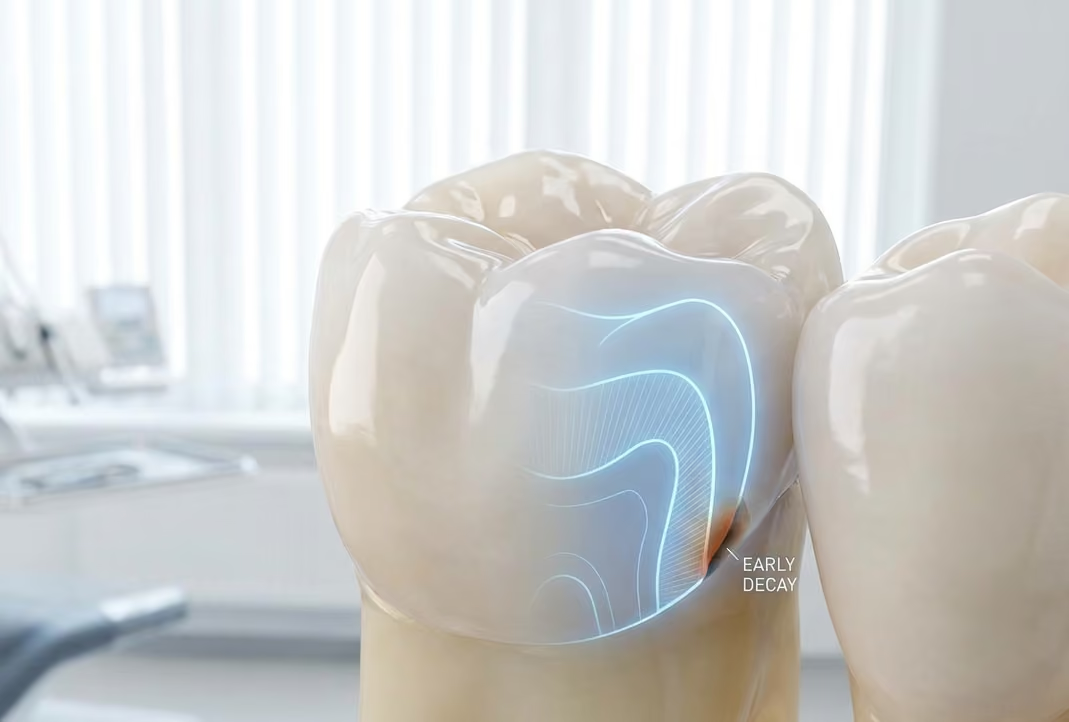
While not necessarily common, decay under a crown can happen.
Dental crowns are excellent for protecting damaged or weakened teeth, but they aren’t invincible shields against decay. Many patients are surprised to learn that crowned teeth remain vulnerable to the same decay processes that affect natural teeth.
Understanding Crown Decay – The Hidden Threat
Think your crowned tooth is completely safe from decay? Unfortunately, that’s not quite true. Decay under crowns can happen even when that protective cap seems to be doing its job perfectly. In fact, developing a cavity under crown restorations is more common than most patients realize—and it often goes undetected until significant damage has occurred.
When we place a crown on your tooth, we’re giving it armor, but like any armor, it can have weak spots. The risk of decay under your crown depends on several things—how well you brush and floss, what you eat, if that specific tooth has had a cavity or decay prior to the crown, and even how well the crown fits in the first place.
The gum line is where most of the trouble starts. That tiny seam where your crown meets your natural tooth (we call this the crown margin) can be a perfect hiding spot for bacteria. It’s like having a tiny gap under your front door—even the smallest space can let unwanted visitors sneak in.
The edges of the crown are particularly tricky spots. These areas tend to collect plaque buildup more easily since they’re harder to clean. Think of it like trying to clean in the corners of your kitchen – those edges just naturally collect more grime.
And then there’s the problem with food particles. Those tiny bits of food can get trapped around your crowned tooth, especially at the gum line. When this happens, the bacteria have a feast on your tooth enamel and any exposed root surfaces. It’s like leaving crumbs on your counter and coming back to find ants—those bacteria are just waiting for the opportunity!
That’s why we always stress good brushing habits and regular check-ups. Your crowned tooth needs just as much attention as the rest of your smile—maybe even a little more!
Warning Signs That Signal Decay Under Your Crown
Your crowned tooth might be hiding a secret problem. Recognizing the signs of decay early can save you pain and costly treatments down the road.
The first clue is often tooth sensitivity. If you wince when drinking hot coffee or eating ice cream, your crowned tooth might be telling you something’s wrong. This sensitivity to cold temperatures happens because decay can reach the nerve of your tooth as it progresses beneath the crown.
Noticed bad breath that won’t go away despite brushing? This could be your body’s way of signaling dental infections brewing under your crown. The bacteria causing decay produce sulfur compounds that create that unpleasant odor.
Pay attention to your gums, too. Sore gums around your crown aren’t normal, especially if they’re red, swollen, or bleed easily. This inflammation often points to bacteria working their way under the crown in the affected area.
Tooth pain is perhaps the most obvious warning, but it comes in different forms. You might experience a dull ache, sharp pain when biting down, or constant throbbing. These are all common signs that shouldn’t be ignored.
Other red flags include visible discoloration at the edge of your crown, a metallic taste, or feeling rough edges with your tongue where the crown meets your tooth. All these hints might mean tooth decay under the crown is developing, and it’s time to call your dentist.
Why Decay Happens Under Crowns
Your daily habits matter enormously when it comes to crowned teeth. Poor oral hygiene is the number one culprit behind crown decay. When you skip brushing, flossing or rush through your routine, bacteria build up around that crown, just waiting to cause trouble.
The fit of your crown plays a crucial role, too. Improper crown placement creates tiny gaps where bacteria can sneak in. An old crown that’s worn down or damaged may have microscopic cracks or loose margins that expose your tooth to decay risks. Think of it like a roof with small leaks—eventually, water finds its way in.
Your overall dental health creates the environment where your crown either thrives or fails. If you’re dealing with gum disease, the inflammation can expose the tooth roots near your crown, creating new vulnerable areas. It’s like trying to build a house on shifting soil – no matter how good the house, the foundation matters.
Many patients make the mistake of ignoring small dental issues until they become major problems. That small sensitivity or slight discomfort around your crown might seem minor, but when left untreated, these issues can develop into significant decay, requiring extensive treatment.
Even the highest quality new crown or beautiful ceramic crowns can’t protect your tooth without proper care. They’re tools, not magical solutions. I’ve seen perfectly placed, top-quality crowns fail within a year due to poor home care, while older metal crowns last decades in patients who take meticulous care of their teeth.
The truth is, your crown’s success depends more on what happens after you leave the dental office than what happens in the chair. Your daily habits are the real determining factor in how long your crown stays healthy.
Treatment Options for Decay Under a Crown
Discovering decay under your crown can be disappointing, but we have several effective ways to address the problem. The right approach depends on how far the decay has progressed and how much healthy tooth structure remains.
Minimally Invasive Repairs with Composite Resin
For minor decay caught early, we can sometimes remove the crown, clean out the decay, and fill the area with composite resin. This tooth-colored material bonds directly to your tooth, restoring its strength. The best part? We can often reuse your existing crown if it’s still in good condition, saving you time and money.
Root Canal Therapy: Saving Deeply Affected Teeth
When decay reaches the pulp (nerve) of your tooth, root canal therapy becomes necessary. During this procedure, we remove the infected pulp, clean the canals thoroughly, and seal them to prevent future infection. Root canal treatment has an unfair reputation—with modern techniques and proper anesthesia, it’s about as comfortable as getting a filling. After your root canal, we’ll place a new crown to protect the treated tooth.
Tooth Extraction for Severe Cases
In severe cases where decay has destroyed too much of your natural tooth structure, tooth extraction may be the only viable option. While always our last resort, removing a badly damaged tooth can prevent infection from spreading to neighboring teeth and eliminate pain. Extraction can actually prevent further tooth loss by protecting your overall oral health.
Restoration with Dental Implants
If extraction becomes necessary, dental implants offer the most natural-looking and functioning replacement option. These titanium posts serve as artificial tooth roots, providing a permanent foundation for replacement teeth. The field of restorative dentistry has advanced tremendously, allowing implants to look, feel, and function just like natural teeth.
Efficient Replacement with Same-Day Solutions
Concerned about walking around with a gap in your smile? Thanks to advanced technology, we can offer same-day crowns in many cases. Using CAD/CAM technology, we can design, mill, and place a new crown in a single appointment. This streamlined approach minimizes disruption to your life while quickly restoring your affected tooth to full function and appearance.
When to Seek Professional Help
Don’t wait until you’re in pain to check on your crowned teeth!
Warning signs like sensitivity that lingers, visible changes at your crown’s edge, or gums that bleed need immediate dental attention. The beauty of regular dental visits is catching problems when they’re small—before they become painful or expensive. During your dental check-ups, we’ll carefully examine your crowns, take periodic X-rays to see beneath them, and gently probe the margins to detect any openings. This thorough crown evaluation takes just minutes but can save your tooth.
Regular checkups typically reveal crown issues years before you notice symptoms yourself. Think of these regular visits as maintenance for your smile – just like changing your car’s oil prevents engine failure, consistent dental care prevents crown failure. Most patients with crowns should be seen every six months to ensure optimal oral health, though some conditions might warrant more frequent monitoring.
Protecting Your Dental Investment
Your crowned teeth need consistent care to prevent decay, but you’re not in this alone. Regular professional care combined with diligent home hygiene gives your crowns the best chance for a long, problem-free life.
Don’t wait for symptoms to appear—schedule your check-up today to ensure your dental work stays in top condition for years to come. Your smile is worth the investment!


What You’ll Find in Our Blog and on Our Office Bookshelf
Our content is created to educate, inform, and empower you to make confident decisions about your dental care.
Topics you’ll find include:
- Preventive strategies and tips to maintain a healthy smile
- Guidance on services like dental cleanings and exams & checkups
- Insights into cosmetic options such as veneers and teeth whitening
- Information on restorative treatments like dental implants
- Takeaways on ortho treatments like Invisalign
- Discussions around holistic and biologic dentistry
Each article is written to provide practical value you can apply to your daily life.
Supporting Your Whole-Body Health
Our blog reflects our commitment to a whole-health approach. We explore how oral health connects to other aspects of your well-being, helping you see the bigger picture.
You’ll learn about:
- The connection between oral health and systemic health
- How lifestyle habits impact your smile
- Preventive care strategies for long-term wellness
- Minimally invasive and biologic treatment approaches
Our goal is to help you stay informed and proactive about your health.

.webp)
Stay Informed Between Visits
Regular dental visits are important, but staying informed between appointments can make a meaningful difference in your oral health.
By reading our blog, you can:
Better Understand
Better understand recommended treatments
Results at Home
Learn how to maintain your results at home
Stay Updated
Stay updated on advancements in dental care
Confident
Feel more confident during your visits

For more personalized guidance, you can also explore our patient information page.
A Resource for New and Existing Patients
Whether you're a current patient or considering your first visit, our blog is a helpful starting point.
If you're new, you can prepare for your visit by completing your new patient forms and reviewing our what to expect page.
If you're an existing patient, our blog helps you stay engaged and informed about your care.
Frequently Asked Questions About Our Blog Answered By Our Expert Practitioners


How often is the blog updated?
We regularly publish new content to keep patients informed about dental care, available treatments, and wellness topics. We also write commentary on hot news topics published in professional journals, news channels and social media, pertaining to the field of dentistry. Dr. Anna Belous and Dr. Adriana Palacio stay active in many professional discussion groups and forums and gauge closely what their own patients are interested in learning about and what myths or misconceptions can be cleared up and clarified.
Are blog articles written by dental professionals?
All of our blog articles are authored by our doctors, hygienists and other qualified staff members of our practice. You are getting the most authoritative, clinical evidence -based, unbiased and patient -centric information. Educating our patients is as important as actually treating them because so much self-care must happen outside of our office to yield long -term oral and overall health. We feel we are empowering our patients by sharing our knowledge with them, by making them well -educated, self -advocating people who become enabled with information to maintain and improve their oral health and, hopefully, shorten their visits with us to a minimum of routine hygiene and check-up appointments.
Can the blog help me decide on treatment?
Yes, our articles provide helpful insights, but they are only meant as a good starting point. They are meant to generate interest and curiosity, to inform with basic knowledge, to increase your dental health IQ, so to speak, and to prompt you to think and re -evaluate whether you have been doing the right things or perhaps need to adjust your everyday habits to improve your oral health. If you have an acute issue, they are meant to inform you on the best possible next steps and, of course, offer you an opportunity to reach out to us by scheduling a consultation for personalized advice.
Where should I start?
You can explore topics that match your interests and go from there. We don't pretend to have an answer to every possible question, but we take time to build up our library of blog articles with the most popular and frequently asked questions, topics and themes. Of course, if you can't find an answer to your specific question, just reach out to us and we will be happy to help.
We combine advanced dentistry with a holistic, biologic approach that focuses on your overall health—not just your teeth.
Stay Connected with Your Dental Health
Explore our latest articles and stay informed about your oral health. Call (585) 244-3337 or visit our contact page to schedule your next visit.